Can You Get Veneers on Bottom Teeth?
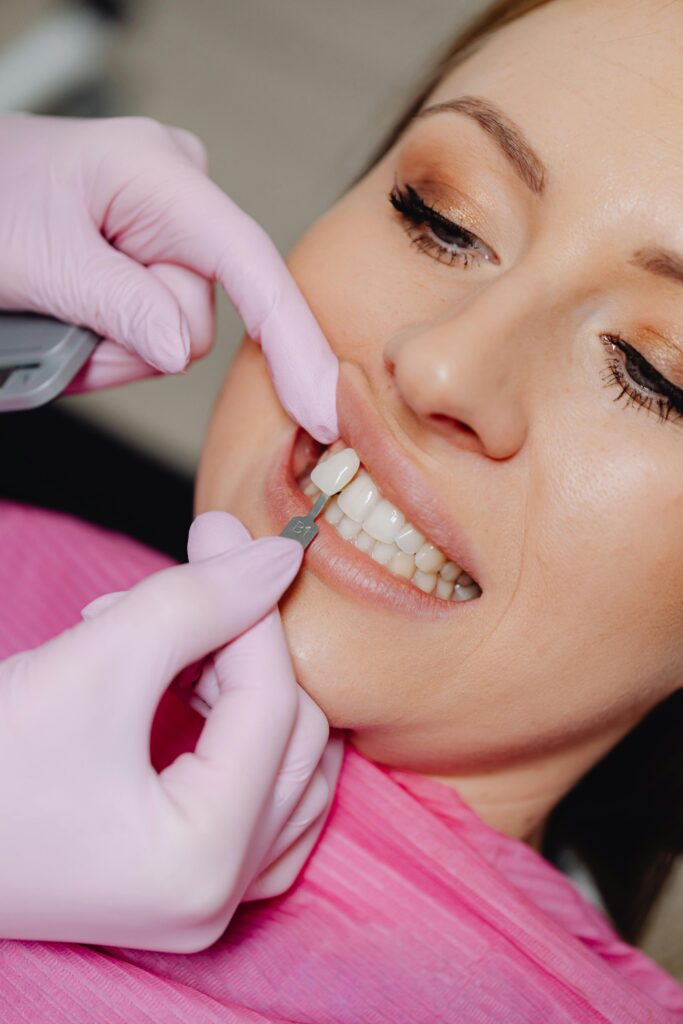
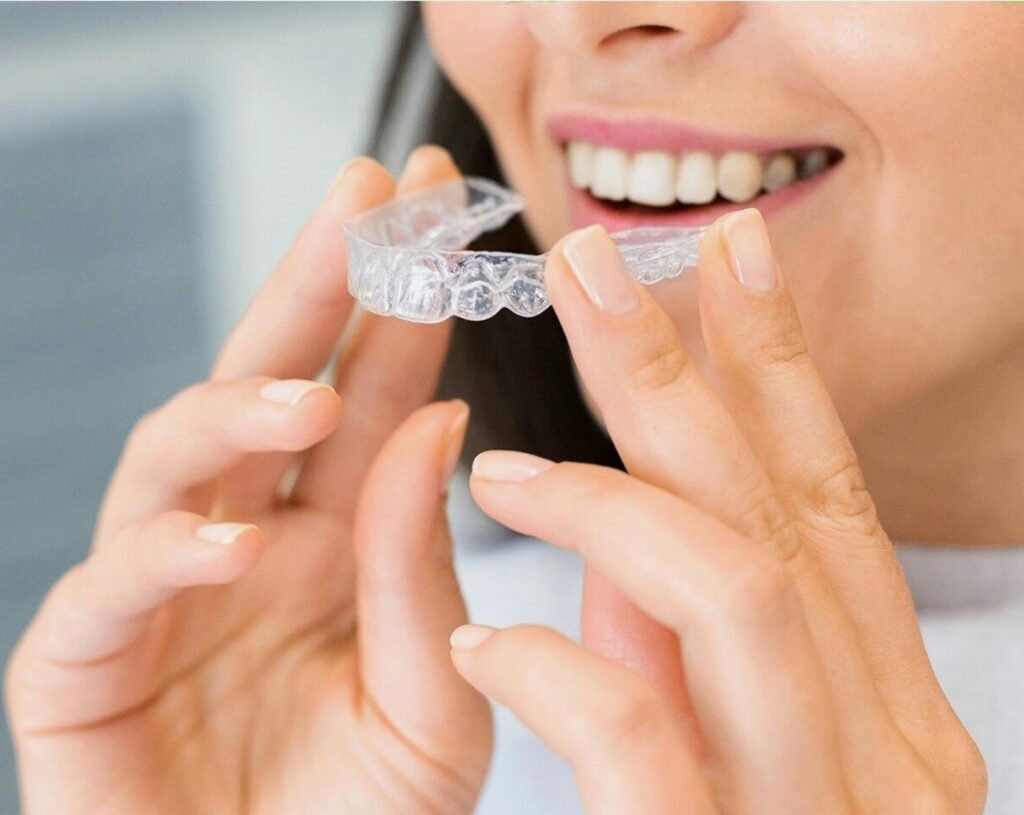
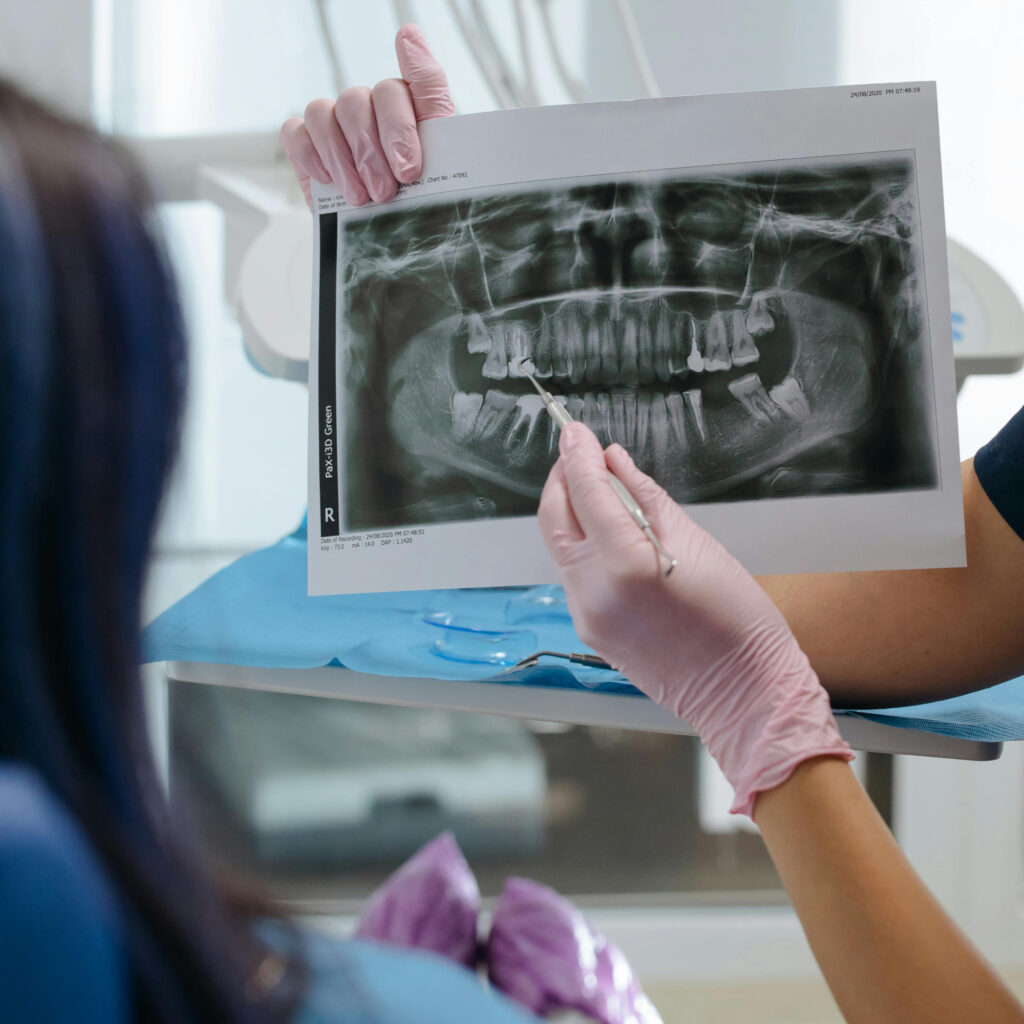
Yes, you can get veneers on bottom teeth. In the right case, they can look excellent and solve very specific cosmetic problems. But bottom veneers are not as common as upper veneers, and there is a reason for that. The lower front teeth are smaller, thinner, more exposed to bite pressure than many people realize, and often less visible when you smile. That means the decision has to be based on function as much as appearance.
A patient might walk in convinced that veneers are the obvious answer because they have seen dramatic smile makeovers online. Then we look closely and find that the concern is actually minor edge wear, slight crowding, or discoloration that would respond better to bonding, whitening, or orthodontics. Other times, lower veneers are exactly the right move, especially when the bottom teeth are chipped, uneven, worn down, or naturally misshapen in a way that catches the eye every time the person talks.
The short answer is yes. The better answer is this: bottom veneers work best when they are planned conservatively, placed on carefully selected teeth, and designed around the way the upper and lower teeth meet.
Why bottom veneers are less common than upper veneers
Most cosmetic dentistry focuses on the upper front teeth because they dominate the smile line. When people laugh, pose for photos, or look in the mirror, they tend to notice the top teeth first. If the upper teeth are bright, even, and balanced, the overall smile often looks dramatically improved even if the lower teeth are not perfect.
Lower teeth play a different role. They are often seen more during speech than during a broad smile. They are smaller, more crowded in many adults, and more likely to show wear from grinding or long-term bite changes. They also sit in a position where thin porcelain can be vulnerable if the bite is not well managed.
That does not mean they should be ignored. In fact, once upper veneers are completed, lower teeth sometimes stand out more than they did before. A patient who never noticed their lower teeth may suddenly become aware of dark staining between teeth, irregular lengths, or flattened edges. This is a common moment in cosmetic planning. The upper smile looks polished, and the lower teeth now look unfinished by comparison.
Still, experienced dentists tend to be more selective with lower veneers because the margin for error is smaller. A design that works beautifully on top can fail on the bottom if it is copied without adjustment.
What bottom veneers can fix
Bottom veneers are most useful when the problem is primarily visual and the underlying tooth is healthy enough to support a bonded restoration. They can improve shape, proportion, edge wear, mild spacing, and color that does not respond predictably to whitening.
A classic example is the patient in their forties or fifties with lower incisors that have become short and uneven from years of grinding. The teeth may still be healthy, but they look older because the incisal edges are chipped flat. Carefully designed veneers can restore that lost contour and soften the worn look without making the teeth seem bulky or artificial.
Another common case is enamel discoloration or patchiness. Lower teeth can develop stubborn staining, especially around old composite fillings or areas of enamel thinning. If whitening leaves them mottled, veneers can create a cleaner, more even appearance.
They may also help with minor alignment issues. If the lower teeth have slight rotations or small spaces, veneers can sometimes create a straighter visual line. This only works when the correction is modest. Veneers should not be asked to hide significant crowding that would be better addressed with orthodontics.
When veneers are a poor choice for bottom teeth
This is where judgment matters. Lower veneers are not a universal fix. Some teeth are too worn, too crowded, or too heavily loaded in the bite to make veneers a predictable long-term option.
Severe grinding is the biggest red flag. A patient can say, "I do not grind," while their teeth tell a completely different story. Flattened lower incisors, tiny craze lines, notching at the gumline, and wear on the canines often reveal years of clenching. If that force is not managed, a thin porcelain veneer on a lower tooth may chip or debond.
Deep bite is another concern. In a deep bite, the upper front teeth overlap the lowers more than ideal, and the lower incisors can strike the back of the upper teeth in a way that creates constant pressure. If a dentist adds porcelain to the lower front surfaces without fully analyzing that contact, those restorations may take repeated hits every time the patient closes.
There is also the question of space. Lower incisors are small to begin with. Sometimes there is simply not enough room to add veneer thickness and still maintain a natural emergence profile. Overbuilt lower veneers tend to look thick at the gumline and feel awkward against the lip or tongue.
In some cases, direct bonding is the smarter treatment. In others, clear aligners, enamel reshaping, or crowns may offer better durability. Good cosmetic treatment planning often involves saying no to the treatment a patient first asks for.
Veneers vs bonding on lower front teeth
This comparison comes up often because bonding and veneers can both improve lower front teeth, but they do it differently.
Bonding is more conservative. It usually requires little to no tooth reduction, can be completed in one visit, and costs less than porcelain veneers. On lower incisors, bonding can be ideal for small chips, black triangles, edge irregularities, and subtle shape changes. It is also easier to repair if the patient chips it later.
Porcelain veneers are more stain resistant and generally hold their polish and color better over time. They can create a refined finish that composite sometimes struggles to match, especially in patients who want a very smooth, enamel-like surface and excellent color stability. But they require more planning, more precision, and often a higher fee.
The trade-off is durability versus repairability, and aesthetics versus conservation. On bottom teeth, where the restorations are smaller and the bite can be unforgiving, bonding is often the first option worth discussing. Veneers become more attractive when the aesthetic demands are higher, the wear is more pronounced, or the patient wants a material that resists staining from coffee, tea, or tobacco more effectively.
The bite matters more than most patients expect
If there is one detail that determines whether bottom veneers succeed, it is occlusion, the way the teeth contact during chewing, speaking, and sliding movements. Cosmetic dentistry can never be separated from bite mechanics, especially in the lower front.
During a veneer consultation, the visible tooth is only part of the story. The dentist should also look at the envelope of function, which is a practical way of describing how the teeth move against each other throughout daily use. A veneer that looks gorgeous in a still photo can chip within months if the lower edge keeps colliding with the upper teeth during speech or side-to-side movement.
This is why mock-ups and bite records matter. The lower teeth may need tiny adjustments in contour so they glide smoothly rather than catch. Sometimes the final design is intentionally conservative, not because the dentist lacks ambition, but because the lower anterior bite gives limited room for dramatic alteration.
Patients who clench at night may also need a night guard after treatment. That is not a sign the veneers are weak. It is simply part of protecting an investment in a high-force environment.
How many bottom teeth can be veneered?
There is no fixed rule. Some patients only need one or two lower veneers to repair visible defects. Others do better with four, and occasionally six lower front teeth are treated for balance. The decision depends on which teeth show when the patient speaks and smiles, the location of wear or discoloration, and how seamlessly the restorations can blend with neighboring teeth.
Treating too few teeth can create a patchwork effect. Treating too many can make the plan unnecessarily invasive. The sweet spot is usually the smallest number of teeth that creates visual harmony.
Here is where experience shows. A dentist who understands smile design will not look only at the lower arch in isolation. They will view it in relation to the upper teeth, lip position, age, facial proportions, and natural tooth texture. Lower veneers should not look like tiny bright tiles lined up beneath the upper smile. They should look like real teeth that belong to the same mouth.
What the process usually looks like
The treatment itself is similar in broad strokes to upper veneers, but the planning tends to be more cautious.
- The dentist evaluates the bite, tooth position, enamel quality, wear patterns, and smile visibility.
- If veneers are appropriate, the teeth are prepared minimally, sometimes only within enamel.
- Impressions or digital scans are taken, and temporary restorations may or may not be needed depending on the case.
- The final veneers are bonded carefully, then checked in static and moving bite positions.
- Follow-up visits may include fine polishing, bite refinement, and delivery of a night guard if indicated.
That tidy sequence hides a lot of nuance. For lower teeth, even a fraction of a millimeter matters. The shape at the edge, the transition near the gumline, and the contact with the upper teeth all need close control. Rushing this phase is one of the easiest ways to create veneers that feel strange or fail early.
Do bottom veneers look natural?
They can, but natural-looking lower veneers require restraint. Lower teeth have character. They are not usually identical in shape, they often show slight translucency at the edges, and they reflect light differently than broader upper incisors. If they are made too white, too opaque, or too perfect, they can look artificial quickly.
This is especially important when only the lower teeth are being treated. There is nowhere to hide a mismatch. The restorations must work with the patient’s existing upper tooth color and overall dental anatomy.
The best lower veneers often go unnoticed by everyone except the patient and the dentist. Friends may comment that the person looks refreshed or that their smile seems healthier, without being able to identify why. That is a good sign. Cosmetic dentistry tends to age well when it does not announce itself.
How much tooth reduction is needed?
Patients often worry that veneers require aggressive shaving. That concern is understandable, but it is not always accurate. Lower veneers can sometimes be very conservative, particularly when the goal is to restore worn edges or refine shape rather than mask severe protrusion or discoloration.
That said, not every lower tooth is a no-prep candidate. If a tooth already leans forward, adding porcelain without creating room can make it look bulky. If the color underneath is very dark, slightly more reduction may be needed to give the ceramic enough thickness to block or modify it.
The safest and most durable veneer bonds are usually placed mostly in enamel. Enamel provides a stronger, more predictable bonding surface than dentin. This is one reason careful case selection is so important. A plan that preserves enamel generally has better long-term odds.
Longevity and maintenance
Lower veneers can last many years, but their lifespan depends on material choice, bite forces, oral habits, and maintenance. It is common to discuss a range of around 10 to 15 years for veneers in general, though some last longer and some need replacement sooner. Bottom veneers may experience more functional stress than patients expect, which can shorten that timeline if the bite is unfavorable or if grinding is heavy.
Porcelain itself is strong, but the veneer-to-tooth system is only as reliable as the bond and the forces acting on it. Small lower restorations can chip at the edge, especially if the patient bites fingernails, opens packaging with their teeth, or chews ice.
Daily care is straightforward. Brush gently with a non-abrasive toothpaste, floss consistently, keep hygiene visits regular, and wear a night guard if one is prescribed. Veneers do not decay, but the teeth underneath and around them still can. Gum recession can also expose margins over time, which is another reason clean design and good oral hygiene matter.
A short maintenance checklist is useful here:
- Avoid using front teeth as tools
- Wear a night guard if you clench or grind
- Keep lower incisors clean, especially near the gumline
- Report any rough edge or bite change early
- Expect occasional polishing or minor follow-up adjustments
Those habits sound simple, but they often determine whether the veneers stay uneventful or become a repeated repair issue.
Cost considerations
Bottom veneers generally cost about the same per tooth as upper veneers in the same practice, though fees vary widely by region, dentist experience, lab quality, and case complexity. In many areas, porcelain veneers fall somewhere in the broad range of several hundred to well over a thousand dollars per tooth. High-end cosmetic practices may charge more, particularly if they work with elite ceramists and spend significant time on design.
The lower arch can sometimes become deceptively expensive because patients assume it is a minor add-on. Then they realize that four or six lower veneers, plus records, bite analysis, and a night guard, can represent a meaningful investment.
This is where comparing alternatives matters. If a patient can achieve 80 to 90 percent of the visual improvement with bonding or aligners at a lower biological and financial cost, that option deserves a real discussion. The best treatment is not always the most advanced one. It is the one that fits the problem cleanly.
Cases where lower veneers make especially good sense
There are situations where lower veneers can be one of the best aesthetic choices available. Patients with symmetrical lower incisor wear, old patchy bonding that keeps staining, or naturally small lower teeth often benefit significantly. Adults who already completed orthodontics but still dislike the lower tooth shape can also be strong candidates, provided the bite is stable.
One of the more satisfying cases is the patient whose upper teeth look good, but whose lower front teeth appear older than the rest of the smile. Restoring those lower edges can subtly rejuvenate the whole mouth. Speech can even feel cleaner in some patients when rough worn edges are smoothed and rebuilt properly, though that should be approached carefully rather than promised.
When orthodontics should come first
If the lower teeth are crowded, twisted, or overlapping, orthodontics may be the more responsible first step. Trying to veneer around significant misalignment can require excessive reduction or produce awkward contours. Even if the veneers look acceptable on the day they are cemented, bulky shapes and difficult cleaning access can https://collinsewh722.theglensecret.com/veneers-maintenance-tips-for-long-lasting-results create long-term frustration.
Clear aligners have changed this conversation considerably. A few months of lower arch alignment can create a much better foundation for conservative cosmetic work. Sometimes, after alignment, the patient no longer needs veneers at all. A little reshaping and whitening may be enough. Other times, the orthodontics allows thinner, more natural veneers with less tooth preparation.
That is not an argument against veneers. It is an argument for sequencing treatment intelligently.
Questions worth asking at the consultation
Patients usually benefit from being direct during the consultation. A few clear questions can reveal whether the plan is thoughtful or generic.
- How will my bite affect the longevity of lower veneers?
- Would bonding or orthodontics be more conservative in my case?
- How many lower teeth actually need treatment for a balanced result?
- Will the veneers be mostly bonded to enamel?
- Do I need a night guard afterward?
The quality of the answers matters as much as the answers themselves. If the dentist talks only about shade and shape but barely mentions bite, wear, or enamel, it is worth slowing down. Lower veneers are small restorations with big functional consequences.
The real answer most patients need
So, can you get veneers on bottom teeth? Absolutely. The treatment is established, useful, and often beautiful when handled well. But lower veneers are not simply mini versions of upper veneers. They demand a more careful eye, a more disciplined design, and a more realistic discussion about force, space, and maintenance.
The best candidates usually have healthy teeth, manageable bite forces, enough enamel for reliable bonding, and cosmetic concerns that cannot be solved as well with simpler treatments. The wrong candidates are often those with severe grinding, deep bite issues, major crowding, or expectations shaped more by makeover photos than by their own anatomy.
When lower veneers are chosen for the right reasons, they can refine a smile in a way that feels subtle and sophisticated. They can restore worn edges, even out color, and bring balance to the lower half of the smile without drawing attention to the dental work itself. That is the ideal result in cosmetic dentistry, improvement that looks like nature on its best day.
Oaks Dental
Address: 5000 Parkway Calabasas Ste 308, Calabasas, CA 91302
Phone number: +18184312000
FAQ About Veneers
How much do veneers actually cost?
The cost of dental veneers typically ranges from $250 to $2,500 per tooth, with a full smile transformation averaging anywhere from $6,000 to $20,000 depending on the material you choose. Because veneers are classified as a elective cosmetic procedure, dental insurance almost never covers them.
What is the downside of having veneers?
The main downside of dental veneers is that the process is permanent and irreversible, as a dentist must shave off a thin layer of natural tooth enamel. Other major drawbacks include increased tooth sensitivity, high financial costs, and the need to replace them every 10 to 15 years.
What happens to the teeth under veneers?
When you get veneers, a dentist shaves off a thin layer of your natural tooth enamel (about 0.3 to 0.7 millimeters). The living tooth stays intact underneath, but losing this outer layer is permanent. The tooth relies on the veneer shell for lifelong protection and cannot be left bare.