Emergency Dentist Advice for Sudden Wisdom Tooth Pain

Wisdom tooth pain has a way of taking over everything at once. A mild ache in the back of the jaw can turn into throbbing pressure by evening, then keep you awake all night. Eating becomes awkward, swallowing feels strange, and even talking can irritate the area. Many people wait longer than they should because they hope it will settle on its own. Sometimes it does. Quite often, it does not.
From an Emergency Dentist perspective, sudden wisdom tooth pain sits in a tricky category. It is common, but it is not always simple. The pain might come from a tooth trying to erupt through gum tissue, a pocket of trapped food and bacteria, inflammation around a partially erupted tooth, a cavity that formed where a toothbrush can barely reach, or a true infection that needs prompt treatment. Occasionally, what seems like wisdom tooth pain is actually coming from the jaw joint, a cracked molar, or referred pain from an upper tooth affecting the sinuses.
The first practical point is this: pain alone does not tell the whole story. Some wisdom teeth create dramatic pain without a serious infection, while others produce only moderate discomfort even though swelling and infection are developing underneath. That is why judgment matters. The right response depends on what else is happening around the pain, how quickly it came on, and whether you are developing symptoms beyond the mouth.
Why wisdom teeth cause so much trouble
Wisdom teeth are the last molars to erupt, usually in the late teens through the twenties, though timing varies. By the time they try to come in, there often is not enough room. The tooth may emerge straight, partly emerge, stay trapped under the gum, or sit angled into the tooth in front of it. Each of those positions creates different problems.
A partially erupted wisdom tooth is one of the most common reasons patients call for urgent care. The gum tissue over the tooth can act like a small flap, trapping food, plaque, and bacteria. That leads to irritation and infection around the tooth, often called pericoronitis. In real-life terms, patients usually describe it as swelling, tenderness, a bad taste, bad breath, and pain when biting down or opening wide. If the inflammation increases, the area can feel hot and tight, and nearby lymph nodes may become sore.
An impacted wisdom tooth can also push against the neighboring molar or make that area nearly impossible to clean well. I have seen patients who thought they had a wisdom tooth problem, only to learn that the real source of pain was decay in the second molar just in front of it. That matters, because saving the second molar is often far more important than trying to preserve a problematic wisdom tooth.
The lower wisdom teeth tend to draw more emergency calls than the upper ones because the lower jaw is denser and the tissue around erupting lower molars often becomes more inflamed. Pain in that region can spread into the ear, throat, or temple, which makes people worry about sinus issues, ear infection, or even a migraine. The location can be deceptive.
When it is reasonable to call it a dental emergency
Not every wisdom tooth ache needs same-day treatment, but some situations absolutely deserve urgent attention. The challenge is knowing the line between uncomfortable and risky.
Pain that comes and goes for a day or two, especially if it eases with gentle rinsing and over-the-counter pain relief, may still be manageable with a prompt routine dental visit. Pain that escalates rapidly, wakes you from sleep, or comes with visible swelling deserves more urgency. If you cannot chew on that side, cannot fully open your mouth, or notice swelling extending into the cheek or under the jaw, do not sit on it.
The word “emergency” often makes people think of broken bones or heavy bleeding. Dental emergencies can be quieter than that. A spreading infection in the mouth can become serious faster than many patients expect, particularly in the lower back jaw where swelling can affect swallowing and, in severe cases, breathing. That is the sort of scenario an Emergency Dentist is trained to sort out quickly.
Warning signs that should move you faster
Use common sense, but take these symptoms seriously:
- Swelling in the face, jaw, or gum that is increasing over hours rather than improving.
- Fever, chills, or feeling generally unwell along with tooth pain.
- Trouble swallowing, painful swallowing, or difficulty opening your mouth normally.
- A foul taste, pus, or drainage near the wisdom tooth.
- Pain so severe that eating, sleeping, or speaking is significantly affected.
If you have any breathing difficulty, rapidly expanding swelling, or severe difficulty swallowing, that goes beyond a routine urgent dental visit. Seek emergency medical care immediately.
What you can do in the first few hours
The goal at home is not to “fix” a wisdom tooth problem. It is to reduce irritation, control pain safely, and avoid making the situation worse until you are examined.
A warm saltwater rinse is often helpful, especially when a partially erupted tooth has irritated gum tissue around it. Use warm, not hot, water, and swish gently. Vigorous rinsing can aggravate already inflamed tissue. If food is packed around the tooth, a gentle rinse may loosen some debris, but do not jab at the area with fingernails, tweezers, or sharp picks. That is a quick way to create more trauma and deeper inflammation.
A cold compress on the outside of the cheek can help with swelling and dull some of the pain. Use it in short intervals rather than holding ice directly on the skin. For medication, over-the-counter pain relievers can be effective if you can take them safely. Many adults do well with standard dosing of ibuprofen or acetaminophen, within label directions and with attention to any personal medical restrictions. Patients with ulcers, kidney disease, blood thinner use, liver disease, pregnancy, or medication interactions should be more cautious and may need tailored advice from a doctor or dentist.
One thing I routinely caution people against is placing aspirin directly on the gum. It does not treat the source of the pain, and it can chemically burn the tissue. The same goes for undiluted clove oil or random home remedies pulled from social media. A sore wisdom tooth is already inflamed. Harsh substances usually add a second problem.
Here is a short at-home checklist that is genuinely useful while you wait to be seen:
- Rinse gently with warm saltwater a few times through the day.
- Use a cold compress on the cheek for short periods if swelling is present.
- Take over-the-counter pain medicine only as directed and only if safe for you.
- Eat softer foods and chew on the opposite side.
- Arrange a dental evaluation promptly if symptoms are not clearly improving.
That last point matters. Temporary relief can hide a problem that is still developing underneath.
What an Emergency Dentist will look for
When someone presents with sudden wisdom tooth pain, the examination is about more than identifying a sore tooth. The dentist is trying to answer several practical questions quickly. Is the source inflammatory, infectious, traumatic, or decay-related? Is there enough room for the tooth to erupt safely? Is the neighboring molar damaged? Is the pain localized, or is swelling beginning to spread into surrounding spaces?
The exam usually includes a visual inspection, gentle probing around the gum, a bite assessment, and often an X-ray. A panoramic X-ray is especially useful because it shows the position of the wisdom teeth relative to the jaw, adjacent teeth, sinuses, and important nerves. If the lower wisdom tooth roots are close to the main nerve in the jaw, that changes the discussion about treatment and referral.
In straightforward cases, the visit may end with irrigation of the area, instructions for home care, pain control guidance, and planning for removal. If there is active infection, the dentist may prescribe medication when appropriate, though antibiotics are not automatically required for every sore wisdom tooth. That surprises some patients. Inflammation around a partially erupted tooth can be painful without needing antibiotics, and unnecessary antibiotic use is poor practice. Dentists look for signs that bacteria are driving the process rather than simple local irritation alone.
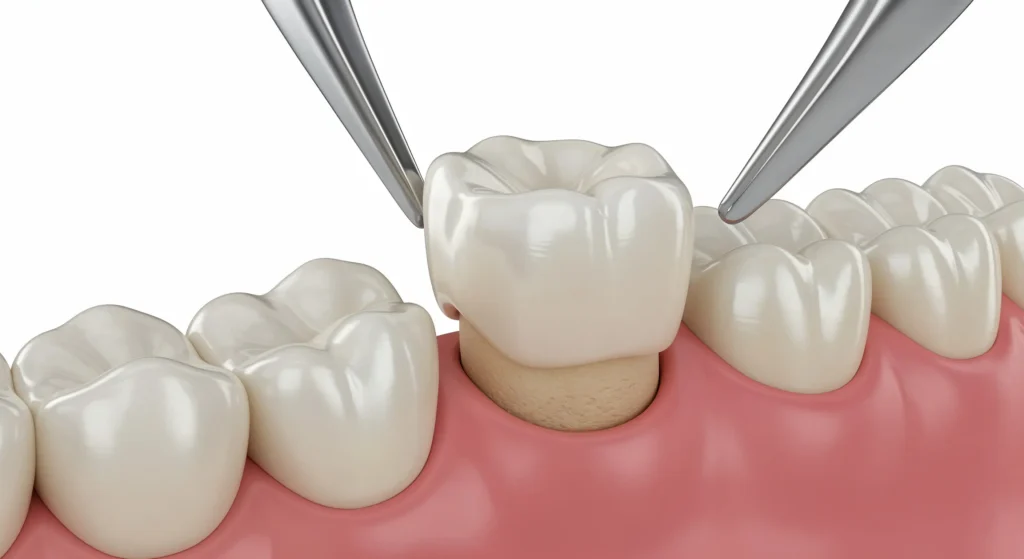
If the tooth is clearly nonfunctional, repeatedly inflamed, decayed, or damaging the tooth next to it, extraction often becomes the long-term answer. In some offices, simple extractions can be done the same day. In others, especially with deeper impactions or medically complex patients, the dentist may stabilize the issue and refer to an oral surgeon.
The common diagnoses behind sudden wisdom tooth pain
Pericoronitis is the one many people hear about first, and for good reason. It is common, painful, and often responsive to prompt local treatment. Patients usually notice tenderness in the gum over a partially erupted lower wisdom tooth, sometimes with a flap of swollen tissue that gets bitten during chewing. The pain can flare suddenly after food gets trapped there.
Decay is another frequent culprit. Wisdom teeth are difficult to clean because of their location and angle. Cavities can develop in the wisdom tooth itself or in the back of the second molar where the wisdom tooth presses or crowds the area. When decay reaches the nerve, the pain can become sharp, spontaneous, and severe, often worse at night or with cold or sweets.
Infection deeper in the tooth or surrounding bone tends to produce more constant pain and may bring swelling, tenderness to biting, or drainage. Less commonly, an upper wisdom tooth can irritate the cheek if it erupts out of position, or create pain that feels like sinus pressure.
There are also cases where the wisdom tooth is not the true cause at all. A patient may point to the very back of the jaw, but the actual problem is a cracked filling on the molar in front, inflamed gum tissue from clenching, or even jaw muscle pain from grinding. That is why a proper exam matters more than guesswork.
What treatment might look like, depending on the cause
For mild inflammation around a partially erupted tooth, treatment may focus on cleaning the area thoroughly, reducing the bacterial load, and giving the tissue a chance to settle. That can buy time, but if the same tooth flares repeatedly, extraction is often the wiser long-term choice. Recurrent inflammation rarely becomes less recurrent with age.
If there is localized infection, the treatment plan may include drainage if needed, prescription medication when indicated, and close follow-up. Antibiotics alone are not definitive care when there is a drainable source or a tooth that clearly needs removal. Patients often feel better for a short period on medication, then end up back in pain because the underlying issue was never addressed.
When the tooth is badly decayed or impacted in a way that is causing damage, extraction becomes the practical solution. Many people worry most about the removal itself, but the hard part is often the period before treatment, not after it. Once the inflamed or infected tooth is out, pain typically becomes more predictable and manageable.
There is a judgment call here that patients appreciate when it is explained clearly. Removing a wisdom tooth during an acute flare is sometimes the best move, and sometimes it is better to calm the tissue first, particularly if swelling, limited opening, or anatomy makes the procedure more difficult. An experienced clinician balances immediate relief, safety, surgical complexity, and the patient’s overall health.
A few situations that deserve extra caution
Pregnancy changes the conversation, but not in the way many people fear. Dental infections still need attention during pregnancy, and delaying care can create more risk than the treatment itself. The dentist may modify X-ray use, medication choices, and timing, but a painful wisdom tooth should still be assessed.
People with diabetes, immune suppression, recent chemotherapy, or a history of severe infections should respond more quickly to worsening dental symptoms. The threshold for concern is lower because infections can escalate faster and healing may be slower.
Patients on blood thinners or with significant heart conditions often assume they cannot receive urgent dental treatment. In reality, many can, but the plan may need coordination with a physician and thoughtful timing. Do not assume, either way. Let the treating dentist decide based on your medications and medical history.
Young adults are not the only ones who get sudden wisdom tooth pain. I have seen first-time wisdom tooth emergencies in people in their forties and fifties who had symptom-free impacted teeth for years. A wisdom tooth that stayed quiet for decades can still develop decay, gum inflammation, or pressure-related problems later on.
What recovery usually looks like after urgent treatment
If the problem is managed conservatively at first, meaning cleaning, medication guidance, and observation, patients often feel improvement within a day or two if the source was minor inflammation. That does not necessarily mean the tooth is now healthy. The pain may settle while the structural problem remains.
After extraction, the first seventy-two hours are usually the most noticeable. Soreness, swelling, and limited opening are normal to a point, especially with lower wisdom teeth. Most patients can manage with soft foods, careful oral hygiene, and a short period of reduced activity. By the end of the first week, many are substantially more comfortable, though the socket continues healing longer.
Dry socket is one issue patients hear about often. It is more common after lower extractions and tends to produce escalating pain a few days after removal rather than immediate worsening on the same day. Smoking, forceful spitting, and vigorous rinsing too soon can increase the risk. The pain is unpleasant, but it is treatable, and it is different from a spreading infection.
The mistake people make most often
The most common mistake is waiting until pain becomes unbearable before seeking care. The second most common is using pain relief as proof that the problem has resolved. A wisdom tooth that settles after rinsing, ibuprofen, and a better night’s sleep may still be one bad meal away from flaring again.
I think of one patient who had a partially erupted lower wisdom tooth that became sore every few months. Each episode calmed down after a few days, so he kept putting off treatment. Eventually he developed swelling along the jaw and could barely open his mouth wide enough for an exam. What might have been a simpler planned extraction turned into a more difficult urgent referral and a rougher recovery. That pattern is not rare.
There is a practical lesson in that. Wisdom tooth pain tends to repeat https://maps.app.goo.gl/xbjvDFvMJ78BJKnj9 itself when the underlying anatomy has not changed. If the tooth does not have enough room, if the gum flap keeps trapping debris, or if the area remains impossible to clean properly, the next flare is often a matter of when, not if.
How to decide whether to wait, book urgently, or seek immediate help
If the pain is mild, localized, and improving within twenty-four hours with gentle rinsing and simple pain relief, an urgent but not necessarily same-day dental appointment is often reasonable. If the pain is moderate to severe, associated with swelling, bad taste, difficulty chewing, or recurrent episodes, contact a dentist quickly. If facial swelling is increasing, swallowing is becoming difficult, or you feel feverish and ill, escalate to same-day care.
The role of an Emergency Dentist is not simply to pull teeth. It is to determine what is happening, rule out the dangerous scenarios, relieve pain responsibly, and guide the next step. Sometimes that next step is immediate treatment. Sometimes it is short-term stabilization followed by planned surgery. Either way, timely evaluation usually makes the process easier, safer, and less painful.
The best next move if your wisdom tooth started hurting suddenly
Take the pain seriously, but do not panic. Start with sensible self-care, avoid irritating the area, and pay attention to swelling, fever, and your ability to swallow and open your mouth. If there is any doubt, especially if the pain is escalating rather than easing, get it checked.
Sudden wisdom tooth pain rarely chooses a convenient time. It shows up before travel, over a weekend, during exams, before a wedding, or halfway through a busy workweek. That is exactly why early judgment matters. A quick assessment can separate a temporary inflammatory flare from a problem that needs prompt intervention, and that distinction is the difference between a rough night and a genuine emergency.
Simple Dental South Gate
Address: 8617 California Ave, South Gate, CA 90280
Phone number: +13236896118
FAQ About Emergency Dentist Southgate CA
What can the ER do for a tooth?
The emergency room can provide temporary symptom relief for a bad tooth, such as prescribing pain medicine or antibiotics, but it cannot fix the actual dental problem.
What is the 3-3-3 rule for tooth infection?
The 3-3-3 rule for a toothache or infection typically means taking three 200 mg ibuprofen tablets (600 mg total) three times a day for no more than three days to control pain and swelling while waiting to see a dentist.
What do you do if you have a dental emergency but no dentist?
If you have a dental emergency and no regular dentist, you should search for an urgent care dental clinic, call local walk-in dental offices, or go to a hospital emergency room if you have severe bleeding, swelling, or trouble breathing.