How Dental Crowns Blend Seamlessly With Natural Teeth
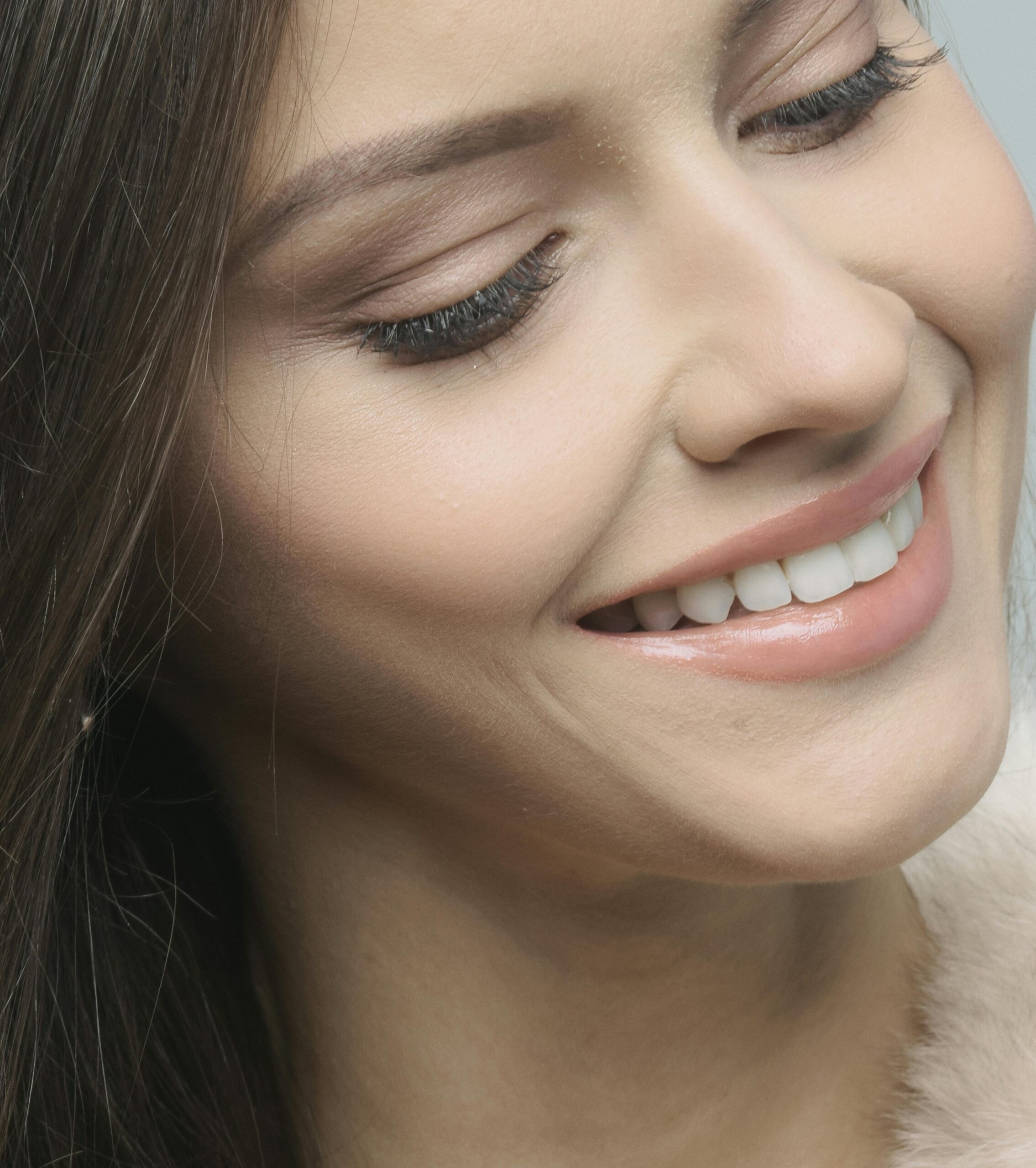
A well-made dental crown should not announce itself when you smile. That is usually the first thing people want to know after a dentist recommends one. Will it look obvious? Will it match? Will friends notice? In most cases, a modern crown can blend so naturally that even close family members cannot tell which tooth was restored.
That result does not happen by accident. A natural-looking crown is the product of material choice, careful tooth preparation, precise shade matching, gum health, bite design, and skilled finishing by both the dentist and the lab. When all of those pieces come together, the crown stops looking like a separate object and starts behaving visually like a real tooth.
Patients often think color is the whole story. Color matters, of course, but teeth are more complex than a paint sample. Natural enamel reflects light differently at the edge than it does near the gumline. It has subtle translucency, tiny surface textures, and a shape that catches light in familiar ways. A crown that blends seamlessly has to mimic all of that, not just land somewhere close to "white."
What makes a tooth look natural in the first place
Natural teeth are not flat, bright, and uniform. They have depth. If you look closely at a front tooth, the center may appear slightly more opaque, the incisal edge may look more translucent, and the area near the gums may carry a bit more warmth. The neighboring teeth are rarely identical twins. One may be a fraction longer, another may rotate slightly, and a third may reflect light more strongly because of its contour.
This matters because the human eye spots patterns quickly. A crown can be technically strong and still stand out if it is too smooth, too monochromatic, too square, or too bright for the surrounding smile. Good cosmetic dentistry pays attention to these micro-details because they are what make a restoration disappear.
The same principle applies in the back of the mouth, even though molars are less visible. Posterior crowns still need to fit the bite, match the broad color family of the surrounding teeth, and avoid looking chalky or metallic when you laugh. A crown does not need to be glamorous to be convincing. It needs to be believable.
Why modern dental crowns look better than older ones
Years ago, many crowns were made with a metal base and a porcelain layer fused over it. Those restorations were durable, and they still have a place in certain cases, but they could sometimes create a slightly opaque look. If the gumline receded over time, a dark edge might become visible near the margin. Patients noticed that most often on front teeth.
Today, all-ceramic and high-strength porcelain materials have changed the aesthetic standard. Lithium disilicate and zirconia, for example, can produce impressive strength while also reflecting light more like natural enamel. That is a major reason modern Dental Crowns tend to look more lifelike than older restorations.
Material selection still depends on location and function. A crown on a lower molar that absorbs heavy chewing forces may call for a different material than a crown on an upper lateral incisor, where translucency is often more important. The best result comes from matching the material to the tooth's job, not picking the same thing for every situation.
The role of shade matching, and why it is more nuanced than "white"
Shade matching sounds simple until you sit in the chair and compare your teeth to a tray of tabs. Most people discover quickly that natural tooth color is surprisingly layered. There is the main body shade, but also brightness, translucency, saturation, and surface character.
Dentists typically evaluate a few key dimensions when matching a crown:
- value, which is how light or dark the tooth appears
- hue, the general color family
- chroma, the intensity or richness of that color
- translucency, especially near the edge of front teeth
- surface texture and gloss, which affect how light reflects
Among those, value is often the most important. A crown can be close in hue and still look "off" if it is too bright or too dim. People often assume they want the whitest crown possible, but a crown that is lighter than the neighboring teeth can draw more attention than a slightly darker one. The goal is harmony, not maximum brightness.
Lighting also affects shade perception. A crown selected under harsh overhead light may look different in daylight, office light, or restaurant lighting. Many dentists check shades under more than one light source. In highly visible https://remingtonphwf050.zenbloomer.com/posts/dental-crowns-oxnard-ca-rebuild-damaged-teeth-with-confidence cases, especially a single front tooth, photographs and custom lab notes can make a major difference. Some offices also use digital shade-matching tools, which can improve consistency, though experience and a trained eye remain invaluable.
The dental lab is part of the artistry
Patients usually meet the dentist, not the ceramist who fabricates the crown, but the lab's role is enormous. A skilled ceramist does more than produce a correctly sized cap. They interpret shade instructions, build contour, adjust translucency, and recreate characteristics that make a tooth look alive.
For a front tooth crown, a thoughtful lab may layer porcelain in a way that mimics the slight variation seen in natural enamel. They can add subtle internal effects, soften line angles, and reproduce the neighboring teeth's texture rather than making the restoration unnaturally glossy and generic.
This is one reason communication matters so much. If a dentist sends only a basic shade label with no photos, no description of adjacent teeth, and no notes about the patient's smile line, the lab has less to work with. When the dentist provides close-up images, bite records, and comments such as "slightly translucent incisal edge" or "patient wants softer shape, not square," the restoration is more likely to blend.
In real practice, this is often where excellent cases separate themselves from merely acceptable ones.
Shape matters as much as color
A crown can match the exact shade of the neighboring tooth and still look artificial if the shape is wrong. Human eyes read form very quickly. If a crown is too bulky, too flat, too rounded, or too short, it may catch light differently and stand out.
This happens often when an old crown is replaced. The patient may say, "I don't know why it looks fake, but it does." Frequently, the issue is contour. The crown may be overbuilt near the gumline, making the tooth seem swollen. Or the front surface may be too smooth, with no subtle anatomy to break up reflection. Sometimes the edges are too sharp, which can make the tooth look stiff and manufactured.
A natural crown respects the geometry of nearby teeth. It should fit the person's smile, facial features, age, and even wear pattern. Younger teeth often have more defined edges and brighter enamel. Older teeth may have flatter incisal edges and more warmth. Matching age-appropriate character is one of those details people do not consciously notice, but they feel it when it is missing.
How the gumline influences whether a crown disappears or stands out
Even a beautifully made crown can look wrong if the surrounding gum tissue is irritated or uneven. The gums frame the tooth. If the margin of the crown is too bulky, plaque can collect more easily and the tissue may stay inflamed. Red, puffy gums attract attention and can make the restoration look less natural.
A healthy crown should emerge from the gumline in a way that looks smooth and believable. Not too wide, not too abrupt, not pinched. The transition from crown to root should respect the surrounding tissue architecture.
This is especially important for people who show a lot of gum when they smile. In those cases, tiny discrepancies at the margin become more visible. If the tissue level around the crowned tooth sits higher or lower than the adjacent teeth, the asymmetry can be noticeable even if the crown itself is beautifully shaded.
Patients in areas with strong cosmetic demand, including those searching for Dental Crowns Oxnard CA, often care deeply about this kind of detail. It is not vanity. It is an understandable desire for a restoration that feels integrated with the rest of the smile.
Precision fit is not only about comfort
When patients hear the phrase "good fit," they often think of whether the crown feels snug or whether food catches around it. Those things matter, but fit also influences appearance over time.
A poorly fitting crown margin can trap bacteria, irritate the gums, and increase the chance of recurrent decay around the edge of the restoration. Once the gums become chronically inflamed or begin to recede, a once-decent-looking crown can start to show a dark line, exposed margin, or awkward transition.
A precise fit helps preserve the health of the tooth and tissue supporting the crown. That is part of how crowns continue to blend seamlessly years later, not just on delivery day. Dentistry that looks good for one week but fails biologically is not truly good dentistry.
Digital scanning has improved this area in many offices. Compared with traditional impressions, digital scans can capture detail efficiently and reduce some of the variables tied to impression material distortion. That said, technology is only as good as the technique behind it. A rushed scan or poorly prepared tooth can still lead to a compromised result.
The bite has a surprising effect on aesthetics
The bite may sound like a functional issue rather than a cosmetic one, but function and appearance are closely linked. If a crown is too high, even slightly, the patient may start to hit it harder than the neighboring teeth. That can lead to soreness, chipping, wear, or a sense that the crown "feels weird" no matter how nice it looks.
On front teeth, bite design becomes even more critical. A crown that is repeatedly struck during speaking or chewing may fracture or wear in a way that changes its appearance. Tiny chips on the edge, glaze loss, or stress lines can make a once seamless restoration more noticeable.
There is also a less obvious factor. Teeth that function in balance tend to maintain their position better. Teeth under unusual bite stress may shift, wear unevenly, or contribute to gum problems. So when a dentist carefully refines the bite after cementing a crown, that is not just a comfort check. It is part of preserving the crown's natural look over time.
Temporary crowns preview the final outcome
A temporary crown often gives useful clues about how the final restoration will perform visually. It is not an exact replica of the final ceramic crown, but it can reveal shape issues, speech changes, pressure on the gum tissue, and how the tooth relates to the smile.
I have seen cases where a patient could not explain what felt wrong until they wore the temporary for a few days. Then they came back saying the tooth looked a little too long, or the edge hit their lip differently when speaking. That feedback is valuable. It allows refinement before the final crown is made or delivered.
This is particularly helpful in the front of the mouth, where even a half millimeter can change how a tooth appears. Patients who take a few photos of themselves smiling with the temporary, in normal daylight rather than just bathroom lighting, often notice things they would miss in the dental chair.
When a crown does not blend, what usually went wrong
A mismatched crown is rarely the result of one dramatic error. More often, it is a stack of smaller misses. The shade may be close but too opaque. The contour may be slightly bulky. The gum may be mildly inflamed. The surface may be too glossy compared with the neighboring teeth. Each issue alone might be tolerable, but together they make the restoration visible.
Common reasons a crown stands out include:
- the color is too bright, too gray, or too uniform
- the shape does not match the adjacent teeth
- the material is too opaque for the tooth's location
- the gumline around the crown is uneven or inflamed
- the bite causes early wear or discomfort that changes appearance over time
Fortunately, many of these problems can be corrected. Sometimes the fix is as simple as polishing or adjusting contour. In other cases, the crown needs to be remade with better shade communication and design. Patients should not feel awkward about raising concerns. If a crown does not look right, it deserves a closer evaluation.
Single front tooth crowns are the hardest to hide
Matching one front tooth is among the most demanding tasks in restorative dentistry. A row of several crowns can be designed together for consistency. One isolated crown, especially on a central incisor, has to imitate a single natural neighbor with remarkable precision.
This is where photography, custom staining, layered ceramics, and sometimes multiple try-ins become important. A central incisor sits in the most visible part of the smile. Tiny differences in line angle, width, edge translucency, or facial curvature can be obvious.
Patients are sometimes surprised that the dentist recommends extra planning for one front crown while being much more straightforward about a molar. That difference is justified. The aesthetic burden is far higher. It may also take more chair time and more lab customization, which can affect cost. The extra effort is not cosmetic fussiness. It is what allows the final crown to disappear into the smile.
Material choice, with real-world trade-offs
There is no single best crown material for every person. The right choice depends on visibility, bite force, grinding habits, tooth position, available space, and cosmetic priorities.
Lithium disilicate can deliver excellent esthetics, especially in visible areas, because it has a lifelike quality and can be beautifully characterized. Zirconia offers impressive strength and has become more aesthetic than earlier versions, making it very useful in areas that take more chewing load. Porcelain-fused-to-metal still has value in some cases, especially where durability or specific structural concerns guide treatment, though it may not be the first choice for a highly visible front tooth.
The dentist's judgment matters here. A material that looks gorgeous on paper may not be ideal for a patient who clenches heavily every night. Likewise, the strongest option is not always the most natural-looking in a high-smile-line case. Good treatment planning weighs both appearance and longevity.
The patient has a role in how natural the crown stays
A crown does not stain exactly the way natural enamel does, but it still lives in a biological environment. The surrounding teeth can darken over time from coffee, tea, red wine, tobacco, or simple aging, while the crown keeps its original shade. That can gradually make a once-perfect match more noticeable.
Gum health matters just as much. If plaque accumulates at the margin, tissue inflammation can change the look of the crown even when the ceramic itself remains beautiful.
A few habits help crowns stay integrated with the smile:
- brush carefully along the gumline, not just the visible tooth surface
- floss daily so the tissue around the crown stays firm and healthy
- use a night guard if grinding has been diagnosed
- avoid using teeth to open packages or bite hard objects
- keep regular exams so small margin or bite issues are caught early
These are simple steps, but they are often the difference between a crown that still looks excellent years later and one that begins to call attention to itself.
Why the best crowns are often the least noticeable
People tend to judge dentistry by what they can see, but the most impressive crown is often the one nobody notices. It lets the smile look intact. It lets speech feel normal. It lets the patient stop thinking about the repaired tooth.
That result depends on a layered process. The dentist prepares the tooth conservatively and precisely. The shade is selected with care. The material is chosen for both strength and appearance. The lab builds a restoration with the right anatomy, translucency, and surface character. The bite is refined. The gums are respected. Follow-up care keeps everything stable.
When those details are handled well, Dental Crowns do more than cover a damaged tooth. They restore continuity. The smile looks like itself again, not like a patched version. For many patients, that is the real value of modern crown work. It is not just repair. It is repair that knows how to stay out of sight.
Oxnard Dentistry
Address: 1730 E Gonzales Rd, Oxnard, CA 93036
Phone number: +18056049999
FAQ About Dental Crowns Oxnard CA
How long do crowns last on teeth?
Dental crowns typically last 10 to 15 years, but can last 20 to 30 years with excellent oral hygiene. Lifespan depends heavily on the crown material, your daily brushing and flossing habits, and whether you clench or grind your teeth.
What is the downside of crowns on teeth?
The primary downside of dental crowns is that the preparation process is irreversible. To properly fit a crown, a dentist must permanently shave down a significant portion of your natural tooth enamel. This exposes the tooth to potential risks like nerve inflammation, increased sensitivity, and structural weakening.
Why do dentists push for crowns?
Dentists often recommend crowns to save a structurally compromised tooth. If a tooth is heavily cracked, worn down, or has a cavity too large for a filling, a filling will not provide enough structural support, causing the tooth to eventually split. Crowns act like protective helmets, preventing tooth loss.