Invisalign Refinements: Why Some Patients Need Them
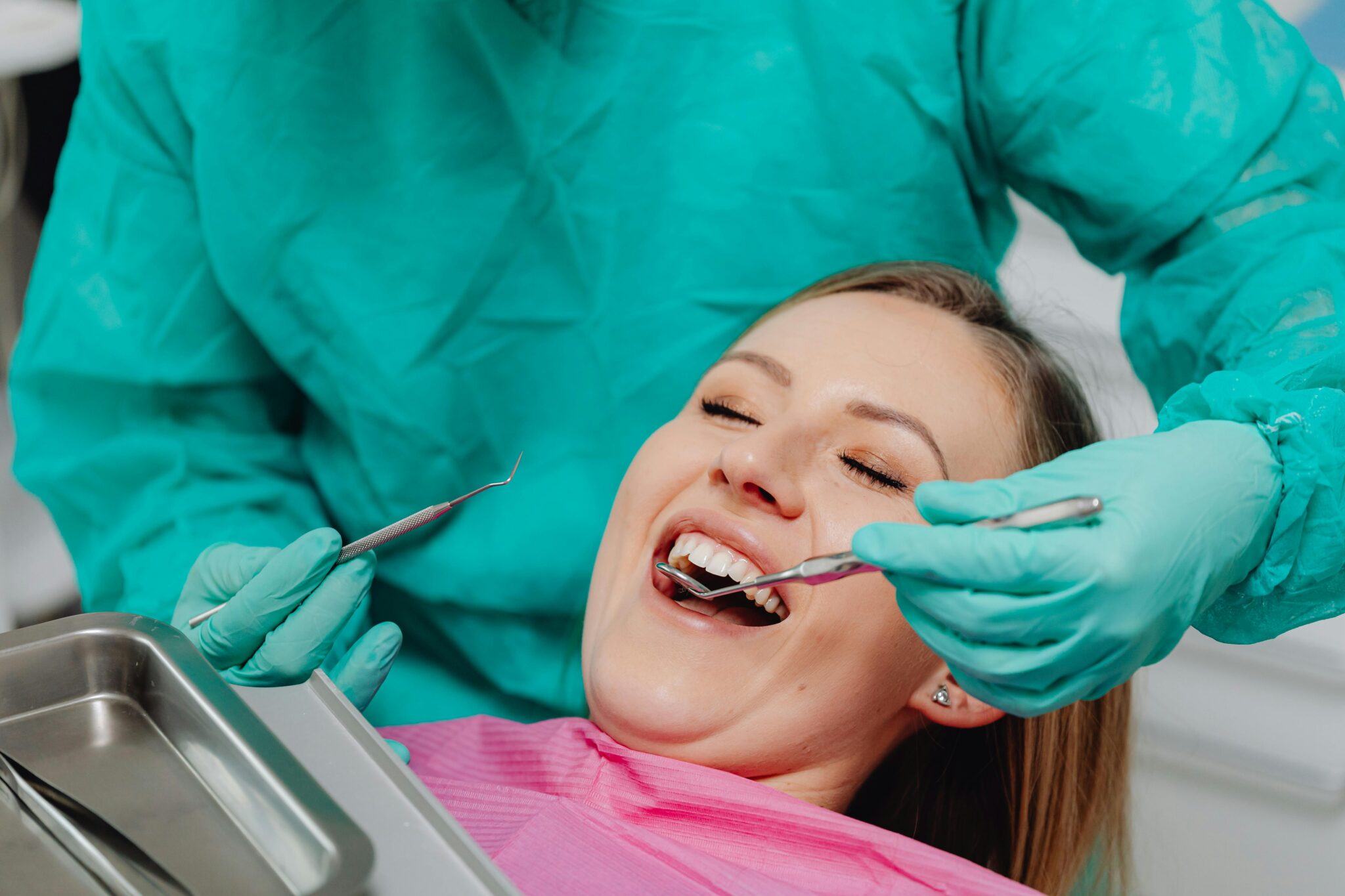
Anyone who starts Invisalign usually has the same hope: a clear series of aligners, a steady march from tray one to the last tray, then a smile that looks and functions better than it did at the start. That does happen for many people. Still, in day-to-day orthodontic practice, plenty of cases do not finish exactly on the first set of trays. That is where refinements come in.
Refinements are additional aligners prescribed after the initial series, when teeth have improved but have not landed precisely where they need to be. Patients often worry that needing refinements means something went wrong, or that the original treatment failed. Most of the time, that is not the right way to see it. Teeth are not machine parts. They are living structures connected to bone, ligament, muscles, bite forces, habits, and biology that does not always follow software predictions perfectly.
A good Invisalign plan is not just a digital animation. It is a clinical estimate of how real teeth might move under controlled force. Sometimes they track beautifully. Sometimes one lateral incisor lags behind. Sometimes the bite opens a little more than expected. Sometimes a molar rotates 80 percent of the way and then stalls. Refinements exist because orthodontics, even with advanced planning, still requires observation and judgment.
What a refinement actually means
A refinement is a continuation of treatment, not a separate category of orthodontics. Once a patient nears the end of the first set of aligners, the doctor checks whether the current tooth positions match the intended result closely enough to finish. If not, the patient is rescanned or given new impressions, and a fresh set of aligners is made based on the teeth as they are now, not as they were at the beginning.
That distinction matters. The first set of aligners is built on a starting model and a plan. Refinements are built on reality. By the time a refinement begins, some teeth have moved as expected, some have moved partially, and some may have responded in ways that call for a more targeted strategy. The refinement stage often allows a doctor to focus on specific details, closing the final fraction of a space, improving the fit between upper and lower teeth, correcting a stubborn rotation, or fine-tuning the midline.
Many patients are surprised by how common this is. They picture treatment as a one-pass process because that is how it is marketed. In practice, refinement aligners are routine enough that experienced Invisalign providers discuss the possibility from the start. It is part expectation management and part honest biology.
Why teeth do not always move exactly as planned
The best way to understand refinements is to understand the limits of prediction. Invisalign software is sophisticated, but it cannot guarantee identical movement in every mouth. Two patients with nearly identical scans can respond very differently.
Bone density plays a role. Younger patients often move a bit more readily than older adults, though that is not a hard rule. Root shape matters too. Teeth with rounder roots may rotate differently than teeth with flatter root surfaces. The amount of crowding matters, and so does the initial bite. A mildly rotated canine is usually simpler than a deep bite with lower crowding and posterior crossbite tendencies.
Compliance is another major factor, and it is often the biggest one. Aligners need to be worn close to full time, usually around 20 to 22 hours per day. There is a big difference between a patient who removes trays only for meals and brushing, and one who takes them out for coffee, snacks, meetings, gym sessions, social events, and long dinners. Both patients may believe they are wearing their aligners “most of the day.” Their teeth will tell the truth.
Then there are habits that interfere quietly. Chewing on one side, clenching, tongue posture, nail biting, grinding, and inconsistent use of elastics can all change how forces are distributed. Attachments can come off. A tray can stop seating fully in one corner and the patient may not notice for a week. Small deviations accumulate. Refinements are often how those deviations are corrected before they become a compromised finish.
The difference between improvement and completion
One of the most important conversations in Invisalign treatment is the difference between “better” and “finished.” Many patients reach the end of their first set of aligners looking noticeably improved. The front teeth may appear straighter in photos. Crowding may be mostly gone. Family and friends may assume treatment is complete. But from a clinical standpoint, better is not always enough.
Orthodontists and experienced general dentists look at more than the front six teeth. They examine overjet, overbite, posterior contacts, canine relationship, root alignment as inferred from tooth positions, and whether the bite is stable enough to retain. If the front teeth look good but the back teeth hit unevenly, the result may not hold as well. If a single tooth is slightly high or rotated, it can affect both appearance and function. A smile can look 90 percent finished to a patient and still need several months of refinement to become genuinely stable.
This is one reason some patients feel frustrated when told they need more trays after they thought they were done. From the clinician’s side, though, stopping too early can be the bigger mistake. The last stretch of treatment is often where the details that make a result look polished are either achieved or abandoned.
The teeth most likely to need extra attention
Certain kinds of tooth movement are simply less predictable with clear aligners than others. This does not mean Invisalign is ineffective. It means some motions are harder to express consistently through removable plastic trays.
Rotated round teeth, especially canines and premolars, are common culprits. Extrusions, where a tooth needs to be pulled slightly down into position, can also be less predictable. Deep bite correction may need careful staging. Closing extraction spaces or larger spaces between teeth can be demanding. Torque, which is the control of the root and the facial-lingual inclination of a tooth, often requires patience and may not be fully resolved in the initial series.
Lower front teeth are another frequent source of refinements. They are small, often crowded, and easy for patients to overlook because they are less visible than upper front teeth. Yet they play a big role in bite comfort and retention. A lower incisor that is still slightly twisted may not seem urgent, but if left imperfectly aligned it can relapse more readily.
I have seen plenty of cases where the upper smile looked close to ideal by the first finishing appointment, while the lower arch still needed another 10 to 15 aligners to settle things properly. From the patient’s perspective that can feel like an annoying delay. From a retention standpoint, it is often time well spent.
Tracking problems and how they lead to refinements
“Tracking” is the term used when a tooth is following the aligner sequence as intended. If a tooth is not tracking, the tray will often stop fitting tightly in that area. A small gap may appear between the edge of the tooth and the plastic, sometimes called an air gap. Chewies may help seat the tray, but only up to a point.
Once tracking is lost significantly, continuing through aligners too quickly can make the mismatch worse. Some clinicians will have the patient wear the current tray longer. Others will step back to a previous tray for a short period. In some cases, the best option is to rescan and move into refinement earlier than planned.
Patients sometimes assume that if a tray still goes on, everything must be fine. That is not always true. A tray can fit enough to stay in place while still not expressing the intended force accurately. This is one reason routine progress checks matter even in treatment that seems straightforward.
Several patterns tend to show up again and again when refinements become necessary:
- a tooth or small group of teeth stops seating fully in the aligner
- attachments have debonded and gone unnoticed for too long
- elastics were prescribed but used inconsistently
- aligner wear time dropped below what the teeth needed
- the original plan moved difficult teeth too aggressively for real-world biology
None of these automatically means poor treatment. Sometimes a case simply reveals its challenges only after movement begins. Good Invisalign care depends on recognizing that early and adjusting course.
Refinements are common even in compliant patients
It is important to say this plainly because too many patients blame themselves. Some people wear their aligners exactly as instructed, use chewies, keep attachments intact, attend every appointment, and still need refinements. Their biology just has its own pace and pattern.
A patient in her early thirties might have mild upper crowding and one rotated lower canine. She wears her trays 22 hours a day, changes them on schedule, and does everything right. By the end of the initial series, the upper teeth are excellent, but that canine remains partially rotated. Why? Because canines have long roots, dense surrounding bone, and a stubborn tendency to resist rotational control. That is not a failure of effort. It is simply a reminder that tooth movement is not perfectly linear.
Another example is bite settling. The teeth may align beautifully, but the posterior bite may need more finishing detail, especially if attachments and aligner thickness have temporarily altered how the teeth contact. Refinement trays, sometimes combined with selective elastic wear, can help the bite settle into a more stable pattern.
The most frustrated patients are often the most diligent ones, because they expected diligence to produce a perfectly predictable timeline. Good clinicians address this from the beginning by framing refinements as a normal possibility rather than a surprise twist.
What happens during the refinement process
The mechanics are usually straightforward. Near the end of the first series, the doctor evaluates the fit of the aligners, examines the bite, compares the current tooth positions with the treatment goals, and decides whether finishing is appropriate or whether more movement is needed.
If refinements are recommended, the next steps usually look like this:
- new digital scans or impressions are taken
- updated photos, and sometimes radiographs, are reviewed if clinically indicated
- the doctor modifies the treatment goals or staging based on the teeth’s actual response
- a new set of aligners is ordered
- attachments may be changed, added, or removed depending on what the next phase requires
From the patient’s point of view, the main inconvenience is time. There is usually a waiting period while the new trays are manufactured. Some practices have patients continue wearing their last aligner at night only, while others ask for nearly full-time wear to hold tooth position. That depends on the case. Once the refinement trays arrive, treatment resumes much like before, though often with a narrower focus.
Refinements can be short or surprisingly substantial. A minor cosmetic adjustment may require only a handful of trays. A bite correction or stubborn tracking issue might require 10, 20, or more additional aligners. The number alone does not tell you whether the issue is serious. Five trays can accomplish a lot if the movements are modest and well targeted. Fifteen trays may simply reflect careful staging of difficult motions.
Why some doctors seem to need refinements more often than others
This is a fair question, and the answer is not simple. On paper, it might seem that fewer refinements always mean better planning. In reality, refinement rates reflect a mix of case selection, treatment philosophy, patient compliance, and finishing standards.
A doctor who accepts more complex bite cases with Invisalign will naturally see more refinements than one who limits treatment to minor alignment. A doctor with very high finishing standards may refine details another clinician would accept. In one office, a patient might finish with a slight posterior discrepancy that is judged stable enough. In another, the doctor may pursue a more ideal intercuspation for several extra months.
There is also the issue of how aggressively the initial plan is staged. Some providers deliberately build conservative first phases because they know certain movements are more reliable when handled in two rounds instead of one. That can actually be good judgment, not inefficiency.
Patients should be cautious about comparing treatment timelines too casually. “My friend only had 20 trays and no refinements” tells you almost nothing unless the starting conditions, compliance, and clinical goals were truly similar.
The cost question patients care about
When patients hear they need refinements, one of the first questions is whether they will have to pay more. That depends on the practice and the Invisalign package selected at the outset. Some treatment plans include a defined window in which refinement aligners are covered. Others may have limits or added fees, especially if treatment extends far beyond the original scope or if a patient disappeared from care for a long time and later returned asking to restart.
This is why financial discussions should happen before treatment begins, not when the patient is already disappointed. Clear communication prevents a lot of resentment. If refinements are clinically likely, as they often are, they should be framed as part of the treatment journey rather than a hidden add-on.
From a value standpoint, patients should think beyond the inconvenience of more trays. If a refinement phase meaningfully improves alignment, bite function, and stability, it often protects the investment already made. Stopping short to save time can be the costlier choice if the result relapses or never feels right.
When refinements are a sign of good care
There is a version of orthodontic treatment that looks efficient on paper and mediocre in the mirror. The trays are delivered, the patient reaches the final stage, and treatment ends because the calendar says so. That is not the standard most patients actually want.
Refinements can reflect careful monitoring and a refusal to settle for almost right. If a doctor notices that one upper lateral is slightly tucked in, the midline is off by a millimeter, and the bite contacts are uneven, recommending more aligners may be evidence of attention to detail. Patients often appreciate that more once they compare their final before-and-after photos or feel how much more stable the bite seems when chewing.
One of the more telling moments in practice is the patient who initially resists refinements because they are tired of treatment, then returns after the extra phase https://conneruoru341.wpsuo.com/how-to-budget-for-invisalign-treatment and admits the additional time was worth it. That is not universal, of course. Some refinements offer subtle gains rather than dramatic ones, and part of good care is discussing whether those gains justify the time and effort. Not every imperfect detail demands another three months of trays. The key is informed judgment, not perfectionism for its own sake.
How patients can reduce the chances of needing them
Not every refinement is preventable, but some are. The patients who tend to move most efficiently are usually the ones who treat aligners like medical devices rather than accessories.
Wear time is the foundation. So is making sure each new tray seats fully from the first day. If chewies were recommended, they should be used. If elastics were prescribed, they matter. An elastic worn half the time is not a mild version of full treatment. It is a different force system, and often an ineffective one. Keeping appointments matters as well, especially when attachments need repair or progress needs evaluation.
Patients should also speak up early if something feels off. If a tray suddenly seems loose around one tooth, if an attachment fell off, or if the aligner no longer fits as the previous one did, waiting until the next routine visit can cost valuable time. Many problems are easier to correct when caught within days rather than weeks.
Refinements and retention are connected
The finish of an Invisalign case influences how well the result can be retained. Teeth that are aligned but not fully settled in the bite may be more prone to shifting. Small rotations that remain unresolved can be especially vulnerable to relapse. This is one reason finishing details matter more than patients sometimes realize.
Retention itself does not “fix” an unfinished case. A retainer holds what has been achieved. If the achieved result still contains avoidable discrepancies, the retainer preserves those too. That is another argument for taking refinement recommendations seriously when they are based on clear clinical goals rather than endless chasing of microscopic perfection.
Good retention starts with a good finish. In that sense, refinements are often less about extending treatment and more about protecting its longevity.
Knowing when enough is enough
There is also an art to stopping. Orthodontics is full of diminishing returns. At some point, additional trays may offer only marginal cosmetic change, especially if anatomy, wear patterns, or realistic patient preferences set a limit. A skilled clinician explains that honestly.
Some patients want every possible detail refined. Others are very happy once the visible crowding is gone and the bite is comfortable. Neither preference is wrong, provided the result is healthy and stable. The goal is alignment between clinical standards and patient expectations.
That conversation works best when handled openly. If one last tiny black triangle would require months of additional treatment with uncertain payoff, many patients would decline. If a crossbite tendency or uneven bite contact is likely to cause functional trouble later, most would choose the extra aligners. Refinements should be driven by that kind of practical thinking.
The bigger picture
Invisalign has made orthodontic treatment more appealing to adults and teens who want a discreet option. It can produce excellent results. But excellent does not mean magical, and digital planning does not erase the biology of tooth movement. Refinements exist because real mouths are more complicated than simulations.
For patients, the healthiest mindset is to view refinements not as bad news but as a normal part of precise treatment when precision is still needed. Sometimes they correct compliance-related issues. Sometimes they address stubborn tooth movements that nobody could guarantee on the first pass. Sometimes they simply allow a good result to become a very good one.
What matters most is not whether refinements are needed, but whether they are recognized, explained clearly, and used well. That is where professional judgment shows. A thoughtful Invisalign case is not defined by how quickly it reaches the last tray. It is defined by whether the final result is attractive, functional, and built to last.
Omni Dental Specialty
Address: 1690 E Gonzales Rd, Oxnard, CA 93036
Phone number: +18053666000
FAQ About Invisalign
How much does Invisalign actually cost?
The out-of-pocket cost for Invisalign typically ranges between $3,000 and $8,000, with most patients paying a national average of roughly $5,100 to $5,700 before insurance.
What is the downside to Invisalign?
The biggest downsides to Invisalign are the intense discipline required to wear the trays 22 hours a day, the inconvenience of removing them to eat or drink, and the inability to fix severe, complex orthodontic issues.
Is $5000 a lot for Invisalign?
No, $5,000 is not considered a lot for Invisalign; it is exactly the national average. Treatment costs typically fall between $3,000 and $8,000, and $5,000 is the standard fee for a moderately complex case that takes 6 to 18 months to complete.