Who Is a Good Candidate for Veneers?
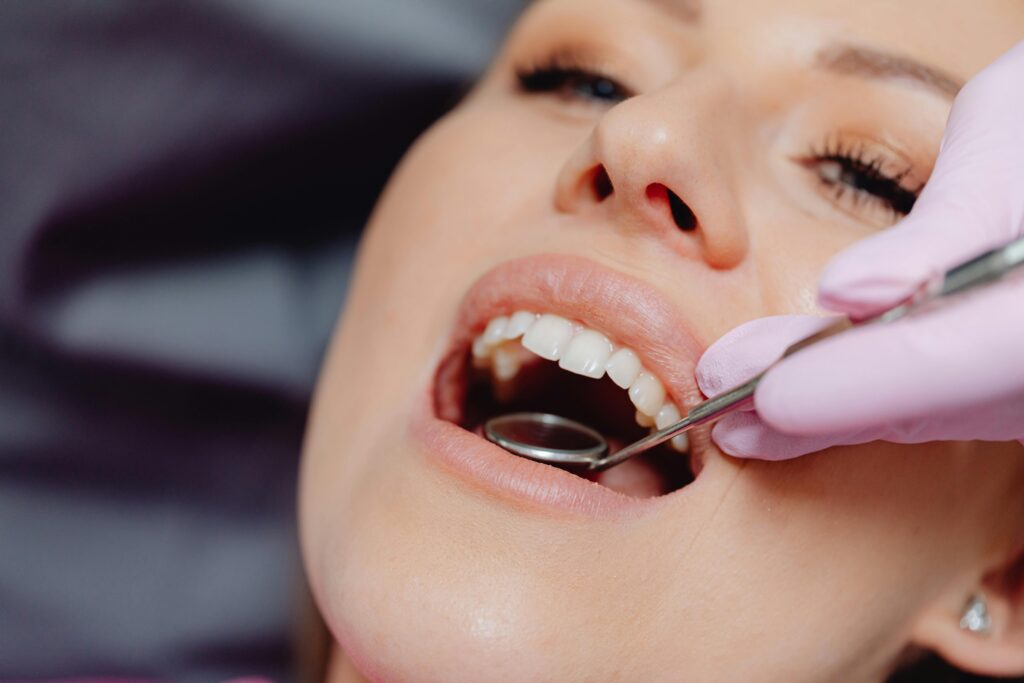
Veneers can create a dramatic cosmetic change with relatively conservative dental treatment, but they are not the right answer for every smile. That distinction matters more than many patients realize. Veneers are often marketed as a quick route to perfectly even, bright teeth, yet the best results come from careful case selection, disciplined planning, and a clear understanding of what veneers can and cannot fix.
A good candidate for veneers is usually someone with healthy teeth and gums who wants to improve the shape, color, size, or symmetry of front teeth, especially when simpler options such as whitening or bonding will not deliver a stable or satisfying result. That is the short version. The fuller answer depends on enamel quality, bite forces, oral habits, expectations, age, and the specific cosmetic concern being treated.
In practice, the most successful veneer cases tend to have one thing in common: the treatment solves a precise problem. The patient is not simply chasing a trend. They are correcting discoloration that does not respond to bleaching, reshaping small or worn teeth, closing modest gaps, or restoring harmony after years of uneven wear. When veneers are chosen for the right reasons, they can look remarkably natural and last many years.
What veneers actually do well
Veneers are thin shells, usually made of porcelain or composite, that are bonded to the front surface of teeth. Porcelain veneers are generally favored for long-term esthetics because they resist staining better and reflect light in a way that resembles natural enamel. Composite veneers can also be useful, particularly when a patient wants a lower initial cost or a more conservative option, though they typically require more maintenance over time.
The strength of veneers lies in camouflage and refinement. They can change the visible face of a tooth very effectively. If a tooth is slightly crooked, undersized, chipped, pitted, or deeply stained, a veneer can often create the appearance of an ideal tooth without moving it very much or fully crowning it. That is why veneers are often considered when the underlying tooth is structurally sound but cosmetically disappointing.
What veneers do not do well is solve disease, serious instability, or major bite problems. If someone has active gum inflammation, untreated decay, large failing fillings, severe grinding, or teeth that are significantly out of position, veneers may be a poor first step. Cosmetic dentistry works best on a healthy foundation.
The profile of a strong veneer candidate
The ideal candidate is not defined by age or income or the desire for a “Hollywood smile.” It comes down to biology and judgment. Several features tend to signal that veneers may be appropriate:
- Healthy gums with no untreated periodontal disease
- Adequate enamel for reliable bonding
- Cosmetic concerns involving the front teeth, such as stains, chips, wear, or minor spacing
- A bite that is stable enough not to overload the veneers
- Realistic expectations about appearance, maintenance, and longevity
Those points sound simple, but each one deserves a closer look.
Healthy gums are non-negotiable. If the gums are inflamed, swollen, or receding unpredictably, even beautifully made veneers can look wrong. Margins become harder to place cleanly, the tissue may not heal as expected, and the final esthetic result can suffer. In many consultations, the first step is not choosing shade or shape. It is improving gum health with hygiene instruction, professional cleaning, or periodontal treatment.
Enamel matters because veneers depend on bonding. Bonding to enamel is more predictable than bonding to dentin or old restorative material. Teeth with large existing fillings, extensive fractures, or very thin enamel may still be restorable, but they may lean more toward crowns or a mixed treatment plan rather than straightforward veneers.
A stable bite is another major factor. Some patients have beautifully aligned front teeth but heavy functional wear patterns. They clench, grind, or slide edge-to-edge when they chew and speak. That does not automatically rule out veneers, but it raises the risk. In those cases, the treatment may still work if the bite is adjusted carefully and the patient is willing to wear a night guard consistently. Without that commitment, even excellent ceramic can chip.
Cosmetic concerns that veneers often address well
The best veneer candidates usually present with concerns that are visible, localized, and not easily corrected another way. Deep internal staining is a classic example. Teeth darkened by trauma, developmental discoloration, or certain medications may not respond enough to whitening. Veneers can mask that color more predictably.
Another common scenario involves worn edges. A patient in their 40s or 50s may have front teeth that once looked youthful and balanced but have shortened over time from grinding or acid erosion. The result is often subtle but aging. The teeth lose brightness and definition, and the smile begins to flatten. Veneers can restore length, contour, and a healthier proportion.
Small gaps can also make someone a good candidate, especially if they want a cosmetic correction without orthodontics and the spacing is modest. That said, case design is critical. Trying to close wide gaps with veneers alone can create overly broad teeth. A natural outcome depends on respecting tooth proportions, lip support, and facial shape.
Minor alignment issues are often well suited to veneers, particularly when a patient has one rotated tooth, a tooth set slightly behind the arch, or irregular incisal edges. Veneers can create visual alignment without months of tooth movement. Still, “minor” is the key word. If the crowding is substantial, orthodontics often produces a healthier and more conservative result.
When someone wants veneers, but another treatment makes more sense
This is where good cosmetic dentistry becomes less about selling a procedure and more about steering the patient wisely. Not every attractive smile requires veneers. In fact, many patients seeking veneers can be treated more simply.
If the teeth are healthy and the main complaint is general yellowing, whitening is often the first recommendation. Bleaching is less invasive, less expensive, and preserves natural tooth structure. It will not reshape teeth or hide every stain, but it can produce an excellent improvement when color is the primary issue.
If there is a small chip or one localized defect, bonding may be enough. Composite bonding can repair a corner, smooth a rough edge, or close a tiny black triangle between teeth. For a patient who needs a modest correction and is not ready to commit to porcelain, this can be a very sensible option.
Orthodontics may be the better choice when misalignment is the real problem. It is easy to underestimate how often this comes up. A patient may ask for veneers because their teeth “look uneven,” but the underlying issue is crowding, rotation, or a bite discrepancy. Moving the teeth first, sometimes with clear aligners, can reduce or even eliminate the need for veneers. In some of the most conservative smile makeovers, orthodontics does most of the heavy lifting, and veneers are either minimized or avoided.
Crowns may be more appropriate when a tooth is structurally compromised. If the tooth has a large old filling, has had root canal treatment, or is weakened by fracture, a veneer may not provide enough coverage or support. A crown is more invasive, but sometimes it is the more durable and biologically sound answer.
Red flags that can make veneers a poor choice
Some of the clearest “not yet” cases show up in the first few minutes of an examination. Gum bleeding, plaque accumulation near the front teeth, or heavy tartar deposits suggest that cosmetic work should wait. Veneers are not a substitute for oral care. They still sit in a biological environment, and that environment needs to be healthy.
Bruxism is another concern. Many people clench or grind without realizing it. The clues are often worn biting edges, flattened chewing surfaces, muscle tenderness, or tiny craze lines in the enamel. Veneers can survive in patients who grind, but the planning must be meticulous, and the patient must accept the need for protection. When someone insists they will never wear a night guard despite clear signs of grinding, that is a warning sign.
Very unrealistic expectations can also make a person a poor candidate. Sometimes the issue is not whether veneers can improve the smile, but whether the patient is likely to be satisfied by any result. If someone wants teeth that are unnaturally white, identically shaped, and entirely disconnected from their face, the esthetic outcome may look artificial. Veneers can be beautiful, but they still need to fit the person.
Age deserves nuance. Younger patients are not automatically bad candidates, but caution is warranted. A patient in their late teens or early 20s may have large pulp chambers, changing gum levels, and esthetic preferences that evolve with time. If the issue can be managed with orthodontics, whitening, or bonding, those options often deserve serious consideration before committing to a more permanent restorative path.
The role of enamel, and why it matters so much
Patients often hear that veneers require “shaving down” the teeth, which can create understandable anxiety. The reality is more specific. Many veneer cases require only a small amount of tooth reduction, sometimes less than a millimeter, and some no-prep or minimal-prep cases need very little preparation. But the amount depends on the starting position, color, and shape of the teeth, and on the intended final outcome.
The reason enamel matters is that porcelain veneers bond best to enamel. That bond is strong, durable, and predictable. When teeth are already heavily restored or when prior treatment has removed too much enamel, the success equation changes. Veneers can still be used in selected cases, but the margins for error narrow. Debonding, marginal staining, and fractures become more of a concern.
This is one reason experienced clinicians are often conservative about recommending veneers for every cosmetic issue. The most successful veneer candidates usually start with enough healthy tooth structure to support a clean, precise restoration. The dentistry is not only about what will look good next month, but what is likely to remain sound five, ten, or fifteen years later.
Bite, function, and the part patients rarely think about
Most people focus on what veneers will look like in photos. Dentists spend a great deal of time thinking about what happens when the patient chews a sandwich, bites into toast, or grinds at 2 a.m.
A veneer is thin, but it exists in a functional system. If the lower front teeth hit the upper veneers too hard, or if the patient has an edge-to-edge bite, the ceramic can chip or crack. This does not mean such patients can never have veneers. It means the bite must be studied and managed. Sometimes that involves reshaping a few contact points, sometimes combining veneers with orthodontic movement, and often providing a custom occlusal guard.
This functional lens explains why two patients with nearly identical cosmetic complaints may receive different recommendations. One has a favorable bite, stable joints, and minimal wear. The other has severe clenching and a collapsing bite pattern. Same request, different risk profile.
How many teeth usually need veneers
A good candidate is not always someone needing a full set of veneers. Sometimes four, six, or eight upper front teeth are enough. The number depends on how wide the smile is, where the visible color transition occurs, and whether untreated adjacent teeth will match the final result.
For example, if a patient has one discolored central incisor after trauma, placing a single veneer may sound efficient, but matching one front tooth exactly can be more difficult than patients expect. In some cases, whitening the adjacent teeth first helps. In others, two or four veneers create a more harmonious result.
There is also a tendency on social media to equate “more” with “better.” That is not how thoughtful treatment planning works. The best cosmetic dentists often preserve as many natural teeth as possible and treat only what needs treatment. A patient who is a good candidate for six veneers is not automatically a good candidate for ten.
The emotional side of candidacy
Cosmetic dentistry is never purely technical. A person’s reasons for wanting veneers matter. Some people have spent years covering their mouth when they laugh because of one dark tooth or a chipped edge from an old accident. Others have been unhappy with peg-shaped lateral incisors since adolescence. When the concern is specific and the patient has thought it through, veneers can be genuinely life changing.
On the other hand, rushed decisions tend to age poorly. A patient who wants veneers immediately before a wedding, a job interview, or a major life event may still be a good candidate, but the timeline can put pressure on choices that should be made carefully. Shade selection, mock-ups, temporaries, and revisions all take time if done properly. Good candidates are usually willing to slow down enough to get the details right.
What the consultation should reveal
A proper veneer consultation is not just a price quote. It should answer whether veneers are appropriate, whether they are the best option, and what compromises are involved. The patient should leave with a clearer picture of both benefits and limits.
Useful questions to ask during that visit include:
- Am I a candidate for whitening, bonding, or orthodontics instead of veneers?
- How much natural tooth structure would need to be removed in my case?
- Are there any bite or grinding issues that increase my risk of chipping?
- How many teeth actually need treatment for a natural match?
- What kind of maintenance, repairs, or future replacement should I expect?
Those questions often reveal more than a polished before-and-after gallery ever could. They shift the conversation from appearance alone to long-term planning.
Longevity, maintenance, and the candidate who understands commitment
A good veneer candidate understands that veneers are durable, not permanent in the absolute sense. Porcelain veneers often last well over a decade when they are well made, well bonded, and well maintained, but they can chip, wear, or need replacement over time. Composite veneers usually have a shorter life span and are more prone to staining and polishing needs.
Maintenance is usually straightforward: excellent home care, routine professional exams and cleanings, avoiding destructive habits such as chewing ice or opening packages with the teeth, and wearing a night guard if indicated. The patients who do best with veneers are rarely the ones seeking a one-time cosmetic fix with no follow-up. They see the treatment as part of ongoing dental care.
It is also worth mentioning that veneer work may lead to future restorative decisions. If a veneer fails many years later, replacement is often possible, but the tooth remains part of a restorative cycle from that point onward. For the right patient, that trade-off is acceptable. For someone who values untouched tooth structure above all else, it may not be.
Natural-looking veneers and who tends to choose them well
One of the biggest changes in cosmetic dentistry over the past decade has been a stronger preference for believable results. Very opaque, ultra-white veneers still exist, but many patients now want teeth that look healthy rather than manufactured. The strongest candidates often appreciate texture, translucency, and small asymmetries that keep a smile looking real.
That preference often leads to better treatment planning. If the goal is natural improvement rather than visual shock value, the dentist can preserve more tooth structure, work within the patient’s facial features, https://chanceizvn432.theglensecret.com/composite-veneers-affordable-smile-enhancement-explained and avoid overbuilding the teeth. The result usually ages better.
A patient once described the ideal outcome to me in a way that captures this perfectly: she did not want friends to ask where she got her teeth done, she wanted them to say she looked rested and happy and not know exactly why. That is often the sweet spot for Veneers. Not obvious perfection, but harmony.
So who is a good candidate?
The best candidate for veneers is someone with healthy gums, enough enamel, and a specific cosmetic concern that veneers are well suited to correct. They may have stubborn discoloration, chipped or worn front teeth, small gaps, or minor shape and alignment issues. Their bite is stable or can be managed safely. They understand that veneers are an investment, not only financially, but biologically and cosmetically. Most of all, they are open to the possibility that another treatment, or a combination of treatments, may serve them better.
That is the real answer. Veneers are excellent when they are chosen selectively, designed thoughtfully, and placed on the right teeth for the right person. The goal is not simply to qualify for veneers. The goal is to determine whether veneers are the most sensible path to a smile that looks good, functions well, and still makes sense years from now.
Oaks Dental
Address: 5000 Parkway Calabasas Ste 308, Calabasas, CA 91302
Phone number: +18184312000
FAQ About Veneers
How much do veneers actually cost?
The cost of dental veneers typically ranges from $250 to $2,500 per tooth, with a full smile transformation averaging anywhere from $6,000 to $20,000 depending on the material you choose. Because veneers are classified as a elective cosmetic procedure, dental insurance almost never covers them.
What is the downside of having veneers?
The main downside of dental veneers is that the process is permanent and irreversible, as a dentist must shave off a thin layer of natural tooth enamel. Other major drawbacks include increased tooth sensitivity, high financial costs, and the need to replace them every 10 to 15 years.
What happens to the teeth under veneers?
When you get veneers, a dentist shaves off a thin layer of your natural tooth enamel (about 0.3 to 0.7 millimeters). The living tooth stays intact underneath, but losing this outer layer is permanent. The tooth relies on the veneer shell for lifelong protection and cannot be left bare.